Marsyha: A Decorative Serif Font for Digital Branding
Finding a decorative serif that brings personality without compromising on digital legibility is a genuine challenge for web designers. Many display fonts look stunning in print or on a static mockup, but they fall apart on a responsive website, an app screen, or a mobile landing page. Marsyha changes that. It is a decorative font built around sleek serif characters, enhanced with botanical-inspired floral accents that feel organic rather than overwhelming. For UI designers, digital product creators, and anyone building brand-focused web experiences, Marsyha offers a way to inject refined elegance directly into headers, hero sections, and visual identities without sacrificing professional polish.
The Visual Character of Marsyha in a Digital Context
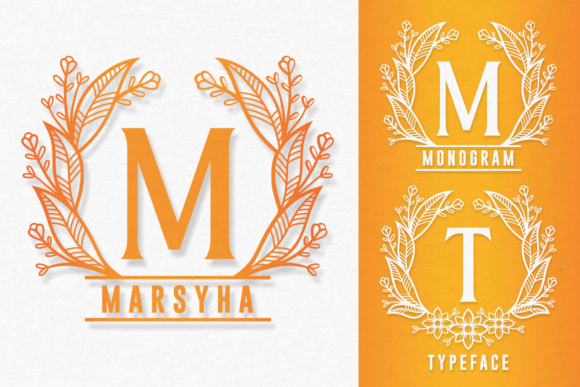
Marsyha sits at the productive intersection of classic serif structure and botanical ornamentation. The base characters are clean and well-proportioned, which keeps them readable enough for digital screens. The floral accents are not afterthoughts; they are integrated into the glyphs, making them suitable for everything from wedding invitation microsites to lifestyle blog headers. The font carries a sense of garden-inspired tranquility combined with high-end editorial fashion. When you use Marsyha, you are telling your audience that you care about craftsmanship, atmosphere, and the finer details of your brand identity. It falls perfectly into the decorative font category, but it performs with the discipline of a modern serif font.
Strategic Placement in Web Layouts
Not every font is suited for every role on a page. Marsyha is a display font through and through, which means it shines when it is given space to breathe. Using it effectively requires understanding visual hierarchy and user attention spans. Here is how to place it for maximum impact:
- Hero Sections and Landing Page Headers: Use Marsyha for the main headline to create an immediate visual anchor. It works beautifully on landing pages for creative agencies, wedding planners, or premium product lines. The floral accents give the headline a tactile, handcrafted feel that instantly differentiates the brand from generic templates.
- Section Headings and Content Breaks: Break up long-form content with Marsyha headings. It adds a decorative touch that naturally draws the eye down the page, improving scanning behavior and engagement. It signals a transition to a new, important segment of your story.
- Call-to-Action Accents: Short phrases like “Explore the Collection,” “Get the Look,” or “Start Your Journey” benefit greatly from the font’s ornamentation. It makes the CTA feel more like an invitation than a command.
- Online Store Banners and Category Pages: E-commerce category titles for items like “Dresses,” “Stationery,” “Home Decor,” or “Bridal” gain an elevated boutique feel with Marsyha. It supports a consistent online identity that feels premium.
- Digital Brand Assets: Use it for logo text, social media cover titles, and email header graphics. Consistency across these touchpoints builds a stronger, more recognizable brand presence.
Balancing Aesthetic Impact with Readability
A common pitfall for web designers is using overly complex decorative fonts for body text, which tanks readability on small screens. Marsyha is not intended for long paragraphs. Its strength lies in creating a distinct visual hierarchy. Use it for H1, H2, and possibly H3 tags, then pair it with a clean, neutral sans serif for the body copy. This creates a useful rhythm for the user: the eye is attracted to the decorative grandeur of Marsyha, then rests comfortably on the clean readability of the supporting font.
For mobile screens, ensure Marsyha is used at a sufficiently large size. Display sizes of 30 pixels and above are ideal for preserving the integrity of the floral details. Avoid placing it on complex, high-contrast image backgrounds without a proper text shadow, gradient overlay, or dark backdrop. It performs exceptionally well on light, airy backgrounds where the serif details can breathe, but it also creates stunning impact on dark backgrounds when used as a bold, light-colored headline.
Practical Web Use Cases for Digital Creators
Imagine you are building a portfolio site for a high-end wedding photographer. Marsyha sets the tone perfectly for the “About” page header and the gallery section titles. The floral accents subtly hint at a love for natural light, organic composition, and refined taste. It feels bespoke without being illegible.
For a digital course creator in the wellness or coaching niche, Marsyha can be used on the sales page headline and module titles. It builds immediate brand trust and signals a premium, carefully curated learning experience. It suggests that the creator pays attention to detail, which is a powerful psychological trigger for conversion.
If you are designing an online store for artisanal candles, botanical skincare, or curated stationery, Marsyha aligns perfectly with the organic identity of the brand. It transforms standard category buttons into editorial statements. The font itself becomes part of the product experience, reinforcing the handcrafted quality of the items being sold.
Font Pairing and Brand Identity
Marsyha pairs exceptionally well with minimalist sans serif fonts. The contrast between the decorative serif structure and a clean sans serif creates a modern luxury feel that works perfectly for boutique brands and creative entrepreneurs. For a more editorial or academic digital identity, consider pairing it with a neutral serif font for the body copy, but ensure the body serif has strong readability features. The key is balance: Marsyha does the accent work and carries the personality, while the partner font handles the heavy lifting of long-form readability.
Building a cohesive brand identity with Marsyha involves using it consistently across your website, social media graphics, and email marketing. Use it on Instagram story covers, carousel title slides, and Pinterest pinnable images. This consistent visual language helps your content stand out in a crowded digital feed and reinforces recall.
Technical Considerations and Licensing for Web Projects
Before integrating Marsyha into a commercial website, it is essential to review the specific commercial use license. If you are embedding the font directly via CSS using @font-face, you must ensure you have purchased the correct webfont license that covers page views. Standard licenses are often sufficient for client websites, landing pages, and digital brand assets. However, if you are building a SaaS platform, a template marketplace, or an application where the font is distributed or used dynamically, you may need an extended license.
Proper licensing protects you and your clients legally. It also supports the type foundry and ensures you receive the correct file formats. For web use, WOFF and WOFF2 are the industry standards for optimal performance and compatibility. Loading Marsyha efficiently, perhaps using font-display: swap, ensures that your beautiful decorative typography does not hinder the page load speed or negatively impact the user experience. Always check for included styles, alternates, and multilingual support to ensure the font covers the scope of your project.
Marsyha is more than just a pretty typeface. It is a practical tool for web designers who want to bring a specific kind of organic elegance to their digital projects. By understanding where to place it in the visual hierarchy and how to pair it with reliable web fonts, you can create layouts that feel both polished and deeply personal. It is a distinct choice for building memorable, conversion-focused online experiences that rely on a strong, consistent brand tone.